
(833) 750-0722
online
Available: Mon - Fri 8am - 7pm PST & Sat 8am - 1pm PST










×
Trending
 CWS Vault Vault
 SWOL Tequila
 Influencer Picks
 Chat
ChatTequila
Vodka
Whiskey
Rum
Other
Liquor Brands
Red
White
Other
Wine Brands
Canned Cocktails
Hard Seltzers
Mixers
Shop All
Corporate Gifts
Tequila Gifts
Vodka Gifts
Scotch Gifts
Cognac Gifts
Bourbon Gifts
Whiskey Gifts
Champagne Gifts
Gift Sets
Corporate Gift Set
Shop All Gifts
Help & Settings
Sign In
Register
Contact Us
Invest
MAIN MENU
You have no items in your shopping cart.

QUALIFIED FOR FREE SHIPPING ($0+)
Non Vault Member Price $0.00

Save an additional 10% off this order + free shipping on orders over $100! Sign up CWS Vault $9.95/mo. ?
Instant Saving $0.00
Vault Member Price $0.00

Champagne and Sparkling Wines
Champagne is sparkling wine made in the Champagne region of France under strict rules. It ranges from everyday bottles to ageworthy cuvées, and there is a style for every occasion and budget! Read more
Filters
20%
OFF
OFF

Roederer Estate
Roederer Estate L'ermitage Brut Sparkling Wine (750Ml)
$69.99$87.49
$62.99
 Get Vault Pricing
 Get Vault Pricing
Vault Membership
First month free
10% off every order, including sale items.
Free shipping
First access to new arrivals
+ more!
First month free
10% off every order, including sale items.
Free shipping
First access to new arrivals
+ more!
20%
OFF
OFF

Lionne Royale
Lionne Royale Special Reserve Brut Champagne (750Ml)
$34.99$43.74
$31.49
Get Vault Pricing
Get Vault Pricing
Vault Membership
First month free
10% off every order, including sale items.
Free shipping
First access to new arrivals
+ more!
First month free
10% off every order, including sale items.
Free shipping
First access to new arrivals
+ more!
20%
OFF
OFF

Laurent-Perrier
Laurent-Perrier Grand Siècle No. 26 (750Ml)
$329.99$412.49
$296.99
Get Vault Pricing
Get Vault Pricing
Vault Membership
First month free
10% off every order, including sale items.
Free shipping
First access to new arrivals
+ more!
First month free
10% off every order, including sale items.
Free shipping
First access to new arrivals
+ more!
21%
OFF
OFF

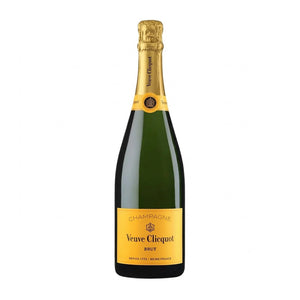
Veuve Clicquot
Veuve Clicquot Brut Champagne (750Ml)
$54.99$69.99
$49.49
Get Vault Pricing
Get Vault Pricing
Vault Membership
First month free
10% off every order, including sale items.
Free shipping
First access to new arrivals
+ more!
First month free
10% off every order, including sale items.
Free shipping
First access to new arrivals
+ more!
20%
OFF
OFF

Veuve Clicquot
Veuve Clicquot Rose Champagne (750Ml)
$64.99$81.24
$58.49
Get Vault Pricing
Get Vault Pricing
Vault Membership
First month free
10% off every order, including sale items.
Free shipping
First access to new arrivals
+ more!
First month free
10% off every order, including sale items.
Free shipping
First access to new arrivals
+ more!
20%
OFF
OFF

Just The Tipsy
Just The Tipsy Bundle 2 X 750 Ml
$54.99$68.74
$49.49
Get Vault Pricing
Get Vault Pricing
Vault Membership
First month free
10% off every order, including sale items.
Free shipping
First access to new arrivals
+ more!
First month free
10% off every order, including sale items.
Free shipping
First access to new arrivals
+ more!
20%
OFF
OFF

Piper Heidsieck
Piper Heidsieck Rose Sauvage (750Ml)
$79.99$99.99
$71.99
Get Vault Pricing
Get Vault Pricing
Vault Membership
First month free
10% off every order, including sale items.
Free shipping
First access to new arrivals
+ more!
First month free
10% off every order, including sale items.
Free shipping
First access to new arrivals
+ more!

20%
OFF
OFF

Tattinger
Domaine Carneros By Tattinger Brut (750Ml)
$29.99$37.49
$26.99
Get Vault Pricing
Get Vault Pricing
Vault Membership
First month free
10% off every order, including sale items.
Free shipping
First access to new arrivals
+ more!
First month free
10% off every order, including sale items.
Free shipping
First access to new arrivals
+ more!
20%
OFF
OFF

Laurent-Perrier
Laurent -Perrier Cuvee Rose Champagne (750Ml)
$119.99$149.99
$107.99
Get Vault Pricing
Get Vault Pricing
Vault Membership
First month free
10% off every order, including sale items.
Free shipping
First access to new arrivals
+ more!
First month free
10% off every order, including sale items.
Free shipping
First access to new arrivals
+ more!
43%
OFF
OFF

BurNarj
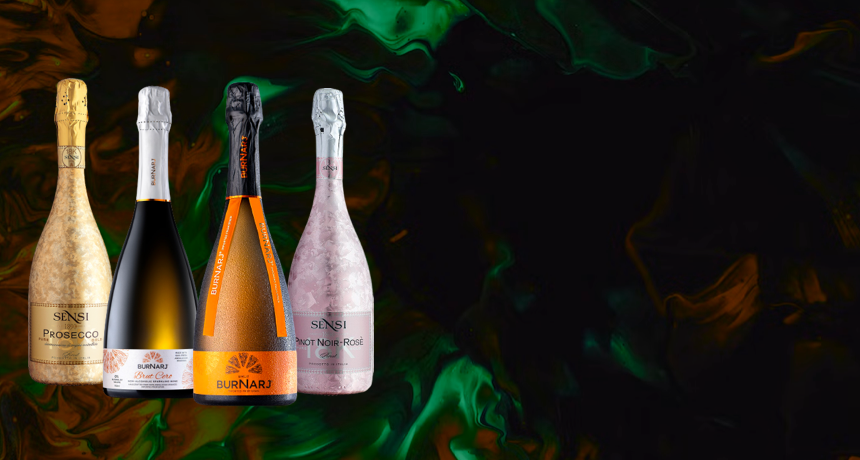
Burnarj Brut Premium Orange Sparkling Wine (750Ml)
$19.99$34.99
$17.99
Get Vault Pricing
Get Vault Pricing
Vault Membership
First month free
10% off every order, including sale items.
Free shipping
First access to new arrivals
+ more!
First month free
10% off every order, including sale items.
Free shipping
First access to new arrivals
+ more!
20%
OFF
OFF

Just The Tipsy
Just The Tipsy: Semi Sweet Rose
$29.99$37.49
$26.99
Get Vault Pricing
Get Vault Pricing
Vault Membership
First month free
10% off every order, including sale items.
Free shipping
First access to new arrivals
+ more!
First month free
10% off every order, including sale items.
Free shipping
First access to new arrivals
+ more!


20%
OFF
OFF

Emmolo Wines
Emmolo Methode Traditionnelle (750Ml)
$36.99$46.24
$33.29
Get Vault Pricing
Get Vault Pricing
Vault Membership
First month free
10% off every order, including sale items.
Free shipping
First access to new arrivals
+ more!
First month free
10% off every order, including sale items.
Free shipping
First access to new arrivals
+ more!
20%
OFF
OFF

Gosset
Gosset Grand Brut Rose (750Ml)
$79.99$99.99
$71.99
Get Vault Pricing
Get Vault Pricing
Vault Membership
First month free
10% off every order, including sale items.
Free shipping
First access to new arrivals
+ more!
First month free
10% off every order, including sale items.
Free shipping
First access to new arrivals
+ more!
27%
OFF
OFF

Sensi
Sensi Prosecco (750Ml)
$21.99$29.99
$19.79
Get Vault Pricing
Get Vault Pricing
Vault Membership
First month free
10% off every order, including sale items.
Free shipping
First access to new arrivals
+ more!
First month free
10% off every order, including sale items.
Free shipping
First access to new arrivals
+ more!
20%
OFF
OFF

Charles Heidsieck
Charles Heidsieck Brut Reserve (750Ml)
$79.99$99.99
$71.99
Get Vault Pricing
Get Vault Pricing
Vault Membership
First month free
10% off every order, including sale items.
Free shipping
First access to new arrivals
+ more!
First month free
10% off every order, including sale items.
Free shipping
First access to new arrivals
+ more!
21%
OFF
OFF

Camp Viejo
Camp Viejo Cava Brut (750Ml)
$14.99$18.99
$13.49
Get Vault Pricing
Get Vault Pricing
Vault Membership
First month free
10% off every order, including sale items.
Free shipping
First access to new arrivals
+ more!
First month free
10% off every order, including sale items.
Free shipping
First access to new arrivals
+ more!
21%
OFF
OFF

G.H. Mumm
G.H. Mumm Grand Cordon Brut Rose (750Ml)
$49.99$62.99
$44.99
Get Vault Pricing
Get Vault Pricing
Vault Membership
First month free
10% off every order, including sale items.
Free shipping
First access to new arrivals
+ more!
First month free
10% off every order, including sale items.
Free shipping
First access to new arrivals
+ more!
20%
OFF
OFF

Tobin James
Laurent Perrier Brut (750Ml)
$49.99$62.49
$44.99
Get Vault Pricing
Get Vault Pricing
Vault Membership
First month free
10% off every order, including sale items.
Free shipping
First access to new arrivals
+ more!
First month free
10% off every order, including sale items.
Free shipping
First access to new arrivals
+ more!
20%
OFF
OFF

Schramsberg Vineyards
Schramsberg Blanc De Blancs Champagne (750Ml)
$39.99$49.99
$35.99
Get Vault Pricing
Get Vault Pricing
Vault Membership
First month free
10% off every order, including sale items.
Free shipping
First access to new arrivals
+ more!
First month free
10% off every order, including sale items.
Free shipping
First access to new arrivals
+ more!

Shop by Brands






What is Champagne?
Champagne is sparkling wine that must be produced in the Champagne region of France and follow the region's rules for grape varieties, production and labelling.
Champagne is typically made from Chardonnay, Pinot Noir, and Pinot Meunier, and it gains its bubbles from a second fermentation in the bottle. Aging and dosage choices shape the final style, so two bottles from the same house can feel very different depending on how long they spent on the lees and how much sugar was added at disgorging.
As we go along, we'll categorize by age. But note that sweetness, style, and sub‑regions can also be used to classify them.
Types of Champagne
Non‑Vintage Champagne
Non‑vintage bottles are blends of wines from multiple years and are designed for consistency and freshness. They are the everyday Champagne for most people, bright and lively with citrus and brioche notes.
A great California example of this bright, food-friendly style is the J Vineyards Cuvee Brut, a crisp sparkling wine with citrus and toasty notes.
Vintage Champagne
Vintage Champagne is made from grapes all harvested in a single year and is only declared when the house feels the harvest merits it. These wines are aged longer and tend to show more depth, richness and aging potential.
Multi‑Vintage Champagne
A newer label trend, multi‑vintage cuvées blend wines from several specific years to create a signature house style that sits between non‑vintage and single-vintage bottlings. Producers are using this approach to offer more complexity while keeping a consistent identity.
Notable Champagne Brands
-
Roederer Estate - An American outpost of a historic Champagne house, Roederer Estate makes méthode traditionnelle sparkling wines in California that balance New World fruit with Old World technique; their Brut and reserve cuvées are widely praised for finesse and value.
-
Piper Sonoma - Built on classic bottle fermentation methods, Piper Sonoma crafts sparkling wines in Sonoma County with a creamy mousse and bright fruit; their Brut and Rosé are reliable, food‑friendly choices.
-
Lionne Royale - A French sparkling label that offers accessible Champagne‑style wines with toasty, brioche notes and crisp acidity; it is a good option for those seeking Champagne character at a modest price point.
-
Schramsberg Vineyards - A Napa Valley pioneer in traditional sparkling wine, Schramsberg has a long reputation for quality and has been served at state events; their Blanc de Blancs and Brut are classic American sparkling references.
-
Laurent‑Perrier - A major Champagne house known for elegant, refined bottlings and for pioneering low‑dosage styles; their range includes both approachable non‑vintage cuvées and ageworthy vintage releases.
Frequently Asked Questions
How does aging change Champagne?
Time on the lees adds texture, bread and nut notes, and greater depth. Vintage and extended‑age cuvées show more complexity and can age for many years.
What is the difference between champagne and sparkling water?
Both bottles fizz, but that is where the similarity ends.
Champagne is an alcoholic wine made in a specific region of France using grapes and a second fermentation in the bottle to create bubbles.
Sparkling water is simply water with carbon dioxide added, either naturally from a spring or by forced carbonation.
What is the difference between champagne and sparkling wine?
We already established that Champagne is a type of sparkling wine that must come from the Champagne region of France and follow strict production rules.
Now, we get to talk about sparkling wine. Sparkling wine is the broader category and can come from anywhere in the world. Labels will often show the region or country.
Corporate Gifting
Get gifts for employees, clients, events, and more with our corporate gifting solutions.
GET GIFTING
THE LIQUOR SUPERSTORE
Before you shop.
You should be 21 to drink with us. Quick check.
Not yet, take me backPlease drink responsibly. 21+