

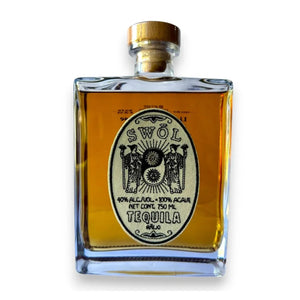









 SWOL Tequila
 Influencer Picks
 Chat
Chat


Did you know? Rum has a reputation for sweetness. It’s the kind of sweetness you might expect from its sugarcane beginnings. Yet this distilled spirit offers a spectrum of tastes, from bone-dry to richly syrupy. By tracing its journey, starting in sun-drenched fields, through fermentation and distillation, into resting barrels, we can separate myth from reality.
Whether you reach for a crystal-clear pour or a dark, amber-hued sipper, understanding why some expressions taste sweet and others dry empowers you to choose with confidence.
Sugarcane: Where It All Begins

Everything about a rum’s character starts with sugarcane. Distillers use either fresh sugarcane juice or, more commonly, molasses, the thick syrup left after sugar crystals are removed from cane juice. So, what’s the difference?
Molasses-based spirits tend to have deep notes of toffee, brown sugar, and dried fruit, while those made from fresh juice (known as Rhum Agricole) often display grassy, vegetal and crisp herbaceous tones.
The misconception that the final spirit is inherently sweet comes from associating it with sugarcane byproducts. In reality, the solids that carry sweetness into fermentation undergo dramatic chemical changes before becoming rum.
Recognizing this distinction is key to understanding why sweetness levels can vary so widely across styles.
For more on rum, check out our guide: Rum Nation Jamaica White Pot Still Rum 57.
Fermentation: Transformation
Fermentation begins when yeast meets sugar. Producers mix yeast into molasses or cane juice - the microbes eat the fermentable sugars and give off alcohol, heat, and carbon dioxide. Any sweetness that survives from the raw material is almost gone by the end. The liquid that remains is a low sugar wash ready for distillation, not for drinking.
The choice of yeast plus the length of the ferment helps with the flavor. A short, closely watched ferment gives a light, clean spirit with few esters (aka organic compounds that contribute to a rum's flavor and aroma). A long, slow ferment builds a heavier, more fragrant wash. Some Jamaican distillers tip “dunder” - the spent lees from an earlier run - into the next ferment. The added dead matter feeds wild yeasts and raises ester levels - the rum smells stronger and fruitier, yet it gains no extra sugar.
Distillation: The Next Step

Next comes distillation, where the fermented wash is concentrated into a clear spirit. Two primary methods (pot still and column still) have distinct effects on flavor. Pot stills, often made of copper, produce smaller batches rich in congeners, the compounds that deliver body, spice and subtle sweetness. Column stills operate continuously and give you a lighter, cleaner spirit with fewer of those congeners, resulting in a dryer mouthfeel and a more neutral palate.
High-proof distillation also removes heavier congeners, producing an unaged base that can feel brisk and mineral-driven. This blanco style often surprises newcomers who expect sweetness but instead find fresh-cut grass, white pepper or briny notes.
Barrel Aging: For the Layers
Barrel aging is where much of rum’s perceived sweetness emerges naturally. Aging transforms clear rum into golden or dark hues. Most rums rest in oak barrels, frequently ex-bourbon casks. That’s because +ood imparts vanilla, caramel, toasted almond, and baking spice, which our senses perceive as sweetness even though no sugar is added. Tropical climates accelerate this extraction, drawing out wood tannins and intensifying flavor in just months, where cooler regions might need years for similar depth.
The age statement on a bottle reflects years in wood rather than sugar content. A 12-year-old expression may feel supple and honeyed, but its sweetness arises from natural barrel compounds. No additional dosage is needed to produce what we taste as syrupy richness.
Ready to mix? Try one of our favorite rum cocktail recipes: Top Cocktail Recipes Mojito Magic.
Sweetness: When It’s Added
Some producers choose to enhance consistency or signature style by blending in small amounts of sugar, caramel coloring or natural extracts after aging. This practice is called dosage or finishing. Brands like Plantation employ brown sugar caramel syrups during a secondary maturation in cognac barrels to create a distinct sweetness and uniform color across batches.
Labels may or may not declare added sugar. To find out definitively look for terms like “no added sugar” or review brand transparency statements. If a bottle lists added cane or caramel, sweetness is part of the recipe not just an illusion of oak.
White Rum and Other Dry Styles

As one might suspect by now, not all rum is the same. That said, not all rum is sweet. You have dry and other options as well.
White rum, often filtered to remove color after brief aging, tends to be the driest in this category. With little time in oak, it retains the crispness from distillation and minimal barrel-derived sweetness. It is light-bodied and neutral. White rums are best in cocktails where delicate mixers balance its subtle fruit esters and peppery hints.
Rethink Rum

Rum is not a bottle of sweetness but a chameleon of flavor. Its journey from sugarcane to bottle - through fermentation, distillation, and barrel aging, creates a wealth of expressions from bone-dry to decadently rich.
By understanding production techniques and reading bottle labels for added sugar, you can navigate beyond these assumptions. Whether you lean toward crisp white styles or explore dark, aged treasures, embracing rum means celebrating its full spectrum of tastes.
Get your run here at Country Wine & Spirits. We promise variety, quality, and exceptional delivery.